The Exoskeleton Tipping Point: Why 2026 Is the Year Worker Augmentation Goes Mainstream
Something changed in the first half of 2026. Not gradually — measurably. Across manufacturing floors, construction sites, and warehouse logistics centers, exoskeletons are no longer a curiosity or a pilot program. They are becoming a standard line item in workplace safety budgets.
Three independent signals make this clear.
The Numbers Tell the Story
The global exoskeleton market was valued at $0.56 billion in 2025 and is projected to reach $2.03 billion by 2030 — a compound annual growth rate of 29.4% (MarketsandMarkets / ResearchAndMarkets.com, 2025). Some analysts project the market could exceed $10 billion by 2030 as adoption accelerates across industries (POC.HK, May 2026).
Global Exoskeleton Market Size (USD Billions)
Sources: MarketsandMarkets (SE 5773), ResearchAndMarkets.com, POC.HK (2026)
Three Recent Signals That Confirm the Trend
1. Products Getting Smaller, Lighter, Certified
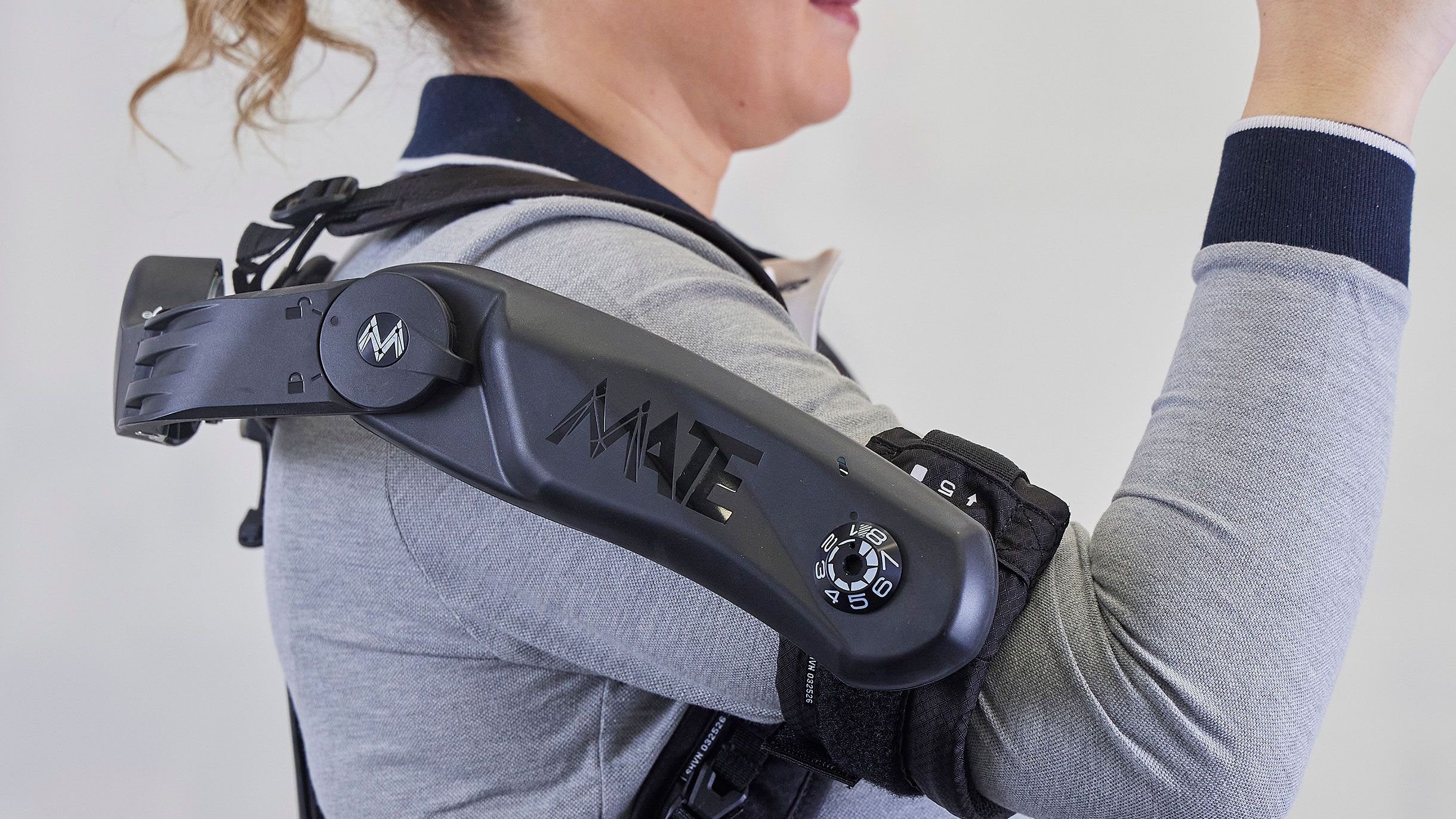
Comau MATE-XT GO: under 3 kg, 30s don/10s doff, Category II PPE certified at $4,295.
2. Investment Pouring Into the Sector
Wearable Robotics €5M Series A (Apr 2026). HeroWear $5M, Wandercraft $75M Series D.
3. Real-World Results at Scale
BMW: 40% fewer ergonomic claims. Amazon/Walmart: 30-50% fewer MSK injuries.
Real-World Adoption Is Producing Real Results
Major employers are not just testing exoskeletons — they are integrating them into standard operations with measurable outcomes.
Reported Impact of Exoskeleton Deployment
Sources: POC.HK (May 2026), Construction Executive (Dec 2025), Industry Reports
What's Driving the Shift?
Three forces converged simultaneously to create the current tipping point:
Passive exoskeletons have crossed critical thresholds:
- <3 kg weight
- 30s don/doff
- $4,000-5,000 per unit
- Spring-based, no batteries
Regulatory frameworks enabling adoption:
- Category II PPE certification (EU)
- OSHA/EU-OSHA ergonomic guidelines
- INRS/IRSST frameworks
- Clear compliance paths
Financial math impossible to ignore:
- $20B/yr U.S. employer MSK costs
- Pays for itself in weeks
- 40% claims reduction (BMW)
- ROI widening as costs drop
Why This Matters:
The window is closing for early adoption advantages. Companies that implement exoskeleton programs now will gain a 2-3 year head start on workforce sustainability, injury cost reduction, and talent retention. Those that wait will be playing catch-up.
What This Means for Safety, HR, and Operations Leaders
If you are responsible for workforce safety or operational efficiency, the question is no longer whether exoskeletons will enter your workplace. It is when — and whether you will be ready.
The practical takeaway: Start with a 30-day pilot in one high-risk area. Measure baseline injury rates, implement a passive back-support or shoulder-support exoskeleton program, and track results. The data from BMW, Ford, and Amazon shows that 30-60 days is enough to see measurable improvements.
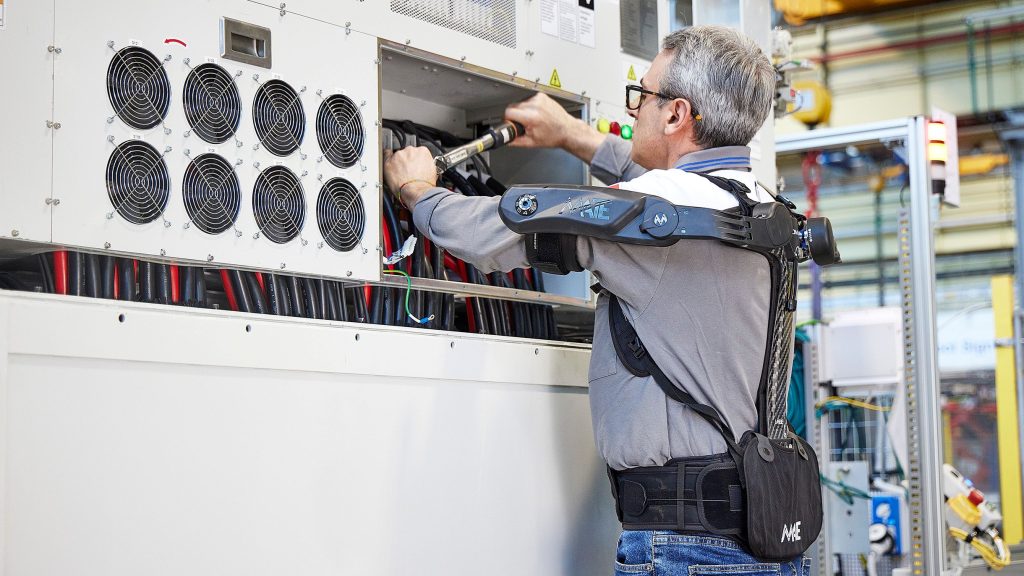
MATE-XT GO with 8 adjustable assistance levels. Source: Comau.
The Workplace Ergonomics Brief is a weekly newsletter by Next Reality Robotics. We help safety leaders, HR professionals, and operations teams stay ahead of the worker augmentation revolution.
Subscribe to the newsletter →