Passive vs. Active: The Complete Guide to Industrial Exoskeleton Technology
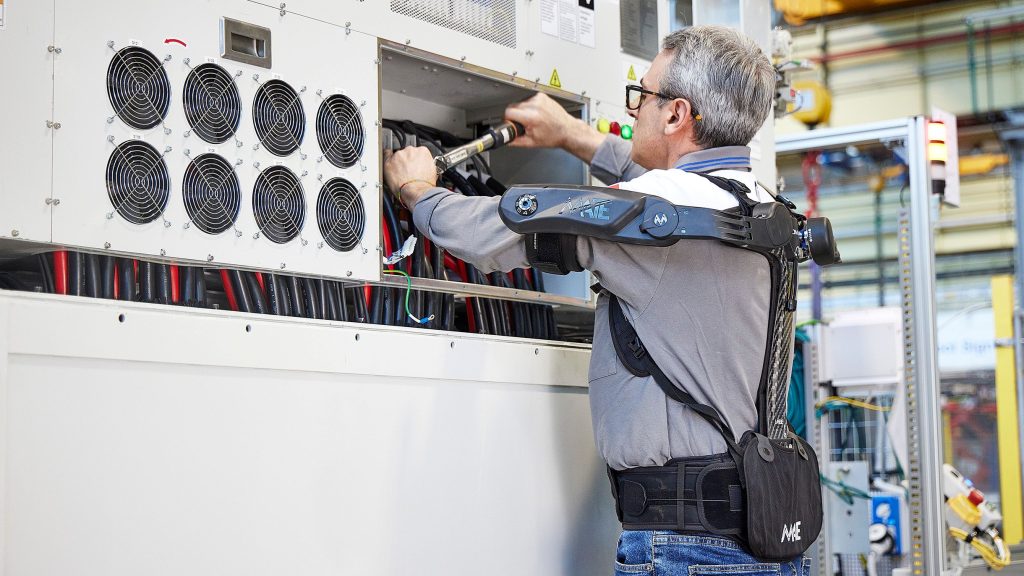
Walk onto any modern factory floor and you might spot a worker wearing what looks like a carbon-fiber backpack with straps running down their arms or across their back. It's not a tool. It's not a robot. It's something in between — an industrial exoskeleton.
But not all exoskeletons are built the same. The technology splits into two fundamentally different families, and choosing the right one depends on the task, the environment, and the worker.
The Two Technology Families
Passive vs. Active Exoskeletons — Side by Side
What the Research Says
The Santa Clara University study tested the Ottobock BackX on 22 participants, measuring perceived exertion across body parts:
Perceived Exertion Change with Exoskeleton (Borg Scale)
Source: ASSEMBLY Magazine, Santa Clara University, Feb 2026
Choosing the Right Technology
The choice is about fit to task, not which is "better":
Task-to-Technology Decision Guide
The Workplace Ergonomics Brief is a weekly newsletter by Next Reality Robotics. We help safety leaders, HR professionals, and operations teams make informed decisions about worker augmentation technology.
Subscribe to the newsletter →