
Musculoskeletal disorders remain the single most prevalent type of workplace injury in the United States, but a new wave of research funded by the National Safety Council's MSD Solutions Lab suggests that AI-powered ergonomic assessment, augmented reality guidance, and arm-support exoskeletons are moving from pilot projects to proven injury-prevention tools. The findings, reported by Occupational Health & Safety, come from the latest cycle of the council's Research to Solutions and MSD Solutions Pilot Grant programs.
What the Research Actually Found
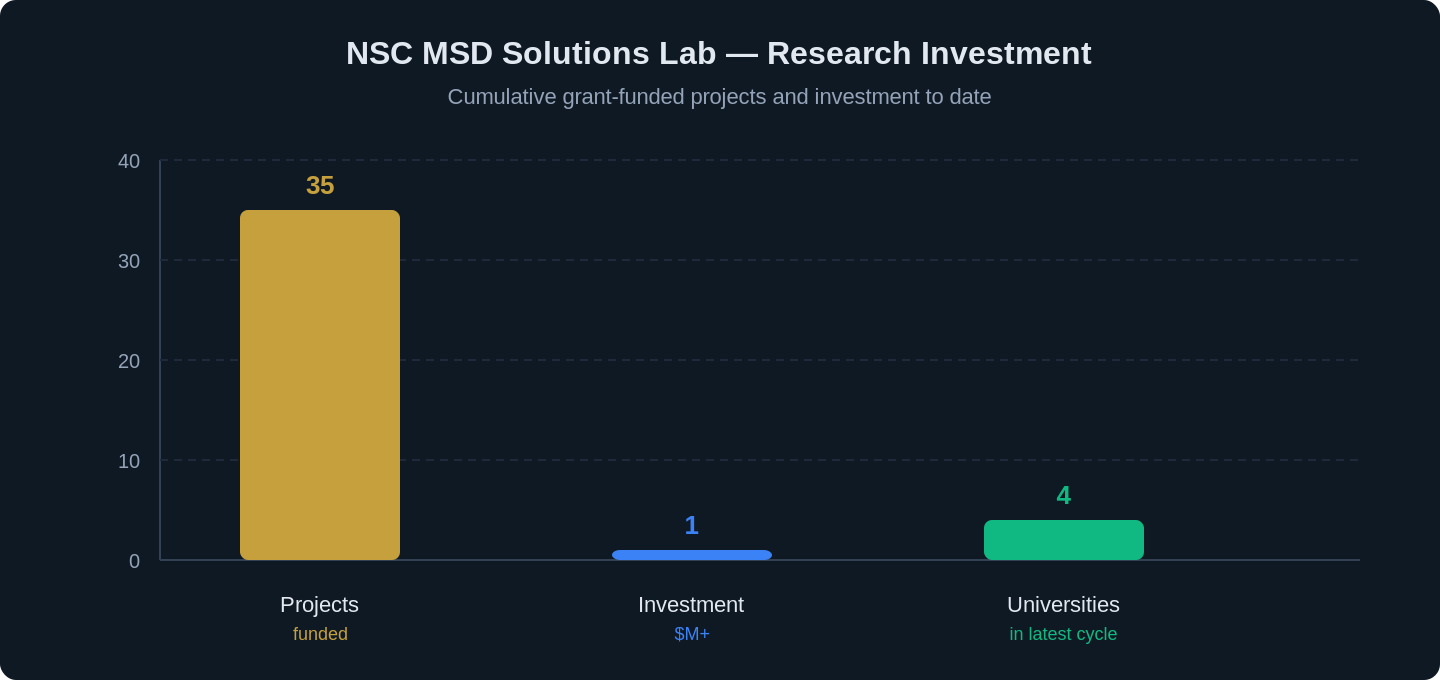
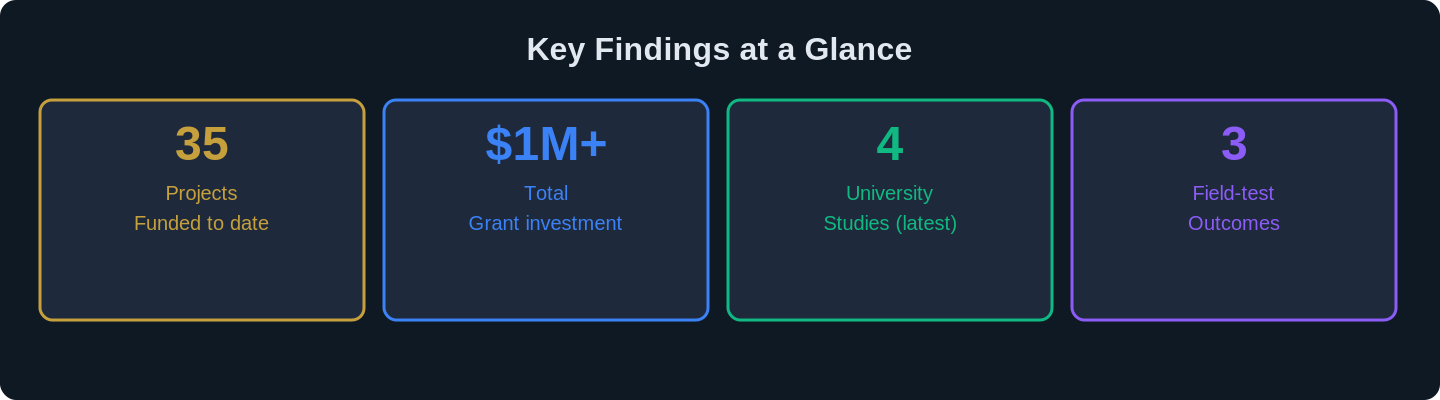
The NSC has now backed 35 separate projects with more than $1 million in grant funding, pairing academic researchers with employers to test scalable safety interventions in real work environments. Four university studies stood out in the most recent cycle:
- North Carolina State University built an augmented reality program that lets workers see their ergonomic reach limits in real time — turning invisible risk zones into visible boundaries.
- Oregon State University used smartphone video and machine learning to calculate lower-back injury risks, removing the need for expensive motion-capture labs.
- Virginia Tech designed an AI model to improve the fairness and accuracy of physical exposure assessments, addressing a long-standing bias problem in ergonomic scoring.
- Wichita State University tracked the effectiveness of arm-support exoskeletons on active construction sites, adding field data to a category that has mostly been tested in labs.
Why This Matters for EHS and Operations Leaders
The common thread across all four studies is accessibility. Smartphone-based assessment, AR overlays, and passive exoskeletons don't require seven-figure capital budgets or dedicated ergonomics labs. They bring injury-prevention intelligence to the point of work — the warehouse aisle, the construction scaffold, the assembly station — where MSDs actually happen.
The NSC also ran parallel pilot programs where employers deployed computer vision systems, wearable vibration monitors, and sensor-based ergonomic tools in active operations. The field tests produced three consistent outcomes: better visibility into daily physical risks, higher engagement from frontline staff, and more precise safety interventions.
Combining advanced digital innovation with direct feedback from frontline workers is essential for developing effective, scalable safety measures.
The Takeaway
If your ergonomics program still relies on annual assessments and clipboard checklists, the NSC data makes the case for a technology upgrade. Start with one low-cost intervention — smartphone-based back-risk scoring or a wearable sensor pilot — and measure the difference in risk visibility and worker engagement before scaling.
Sources: National Safety Council MSD Solutions Lab; Occupational Health & Safety (Jun 29, 2026)